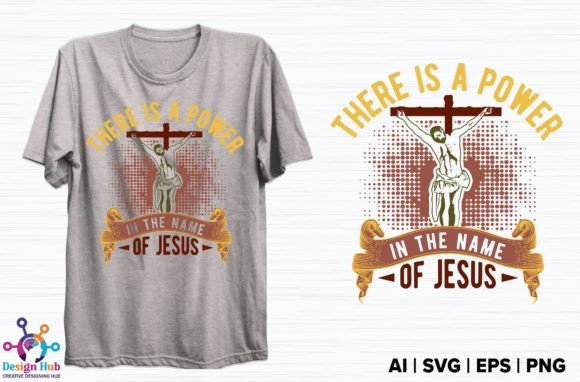
There is a Power in the Name of Jesus: A Bold Typeface for Campaigns
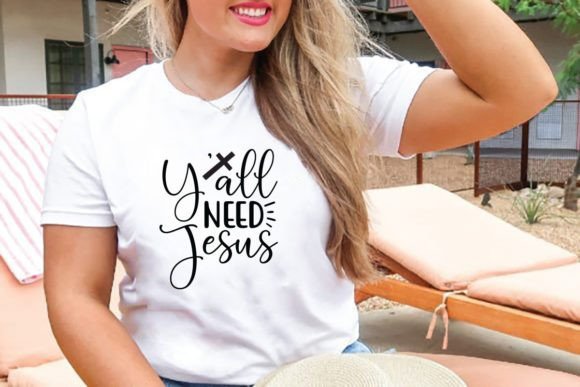
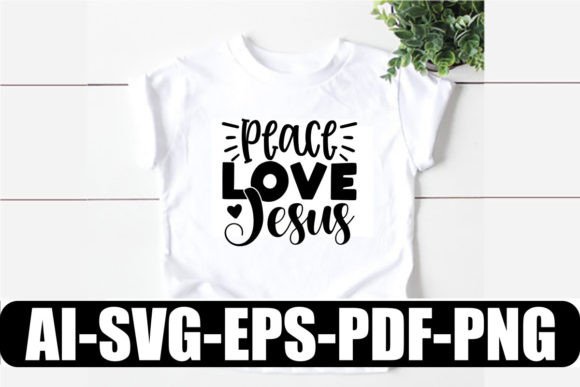
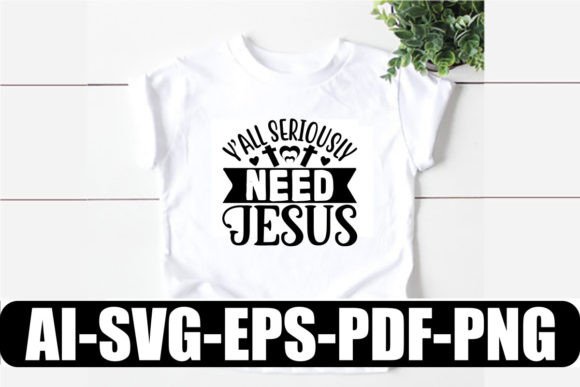
It was 10:30 PM on a Tuesday, and I was staring at a mobile preview for an upcoming faith-based apparel launch. The copy was solid, the call-to-action was clear, but something felt flat. The headline lacked the gravity the message deserved. We were promoting a new line of T-Shirt Designs centered around the phrase "There is a Power in the Name of Jesus," and the default sans-serif font I had slapped onto the mockup just wasn't cutting it. It looked too corporate, too safe. In the world of digital marketing, especially when dealing with spiritual or inspirational themes, the typography needs to carry as much weight as the words themselves.
I swapped in a display typeface that mirrored the energy of the product description. Suddenly, the thumbnail popped. The hierarchy shifted. The message went from being read to being felt. This is exactly why selecting the right typeface is a critical step in any campaign workflow, whether you are building a Pinterest board, designing YouTube thumbnails, or prepping assets for a Tee Spring store. When you are working with a powerful statement like "There is a Power in the Name of Jesus," your font choice becomes the visual voice of that declaration.
Elevating Visual Hierarchy in Social Graphics
In my daily routine as a content creator, the first thing I check is readability on small screens. Most of our audience will encounter our Graphics while scrolling rapidly through an Instagram feed or checking notifications on a locked screen. If the text doesn't grab them instantly, they keep scrolling. Using a bold, impactful font for this specific phrase ensures that the core message cuts through the noise.
Consider the difference between a standard web font and a dedicated display font designed for impact. When I applied this specific typographic style to our email banners, the open rates didn't just rely on the subject line; the preview text image carried the emotional hook. For social media managers, this means less time tweaking contrast settings and more time focusing on engagement strategies. The visual personality of the text suggests strength, conviction, and clarity—attributes that align perfectly with the product's intent.
Here is how I typically deploy this kind of typography across a multi-channel campaign:
- Instagram Stories: Using the text as a standalone graphic over a solid color background to create a "quote card" effect that encourages shares.
- YouTube Thumbnails: Placing the text beside a high-contrast image of the t-shirt to ensure legibility even at 20% size.
- Pinterest Pins: Creating vertical layouts where the typography acts as the central design element, drawing the eye down to the "Shop Now" button.
- Digital Ads: Utilizing the font for the primary headline in Facebook and Google display ads to maintain brand consistency.
Strategic Font Pairing for Brand Identity
One of the most common mistakes I see in web design and editorial design is trying to make one font do all the work. While "There is a Power in the Name of Jesus" works brilliantly as a headline or a logo-style element, it needs support. For body copy, product descriptions, and detailed terms of service, I always pair bold display fonts with a clean, neutral sans serif font. This creates a modern typography system that feels professional yet approachable.
If you are aiming for a more organic, boutique feel—perhaps for a limited edition drop—you might experiment with pairing this strong statement font with a subtle handwritten font for secondary accents like "Limited Edition" or "New Arrival." However, be careful not to overcrowd the design. The power of the main message lies in its simplicity and boldness. Let the primary typeface shine by giving it plenty of whitespace. In packaging design and merchandise tags, this negative space is crucial for perceived value.
Optimizing for Dark Modes and Merchandise
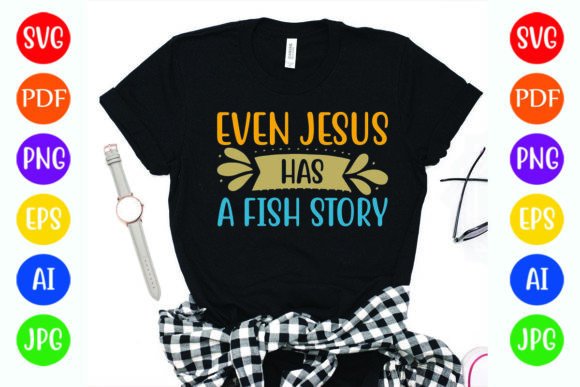
The product description mentioned an easy color change for dark t-shirts, which is a vital feature for any versatile creative font asset. In my campaign prep, I always test designs against both light and dark backgrounds. A font that looks great on white can sometimes lose its definition on black if the stroke weight isn't substantial enough. Fortunately, this particular style holds up remarkably well on dark substrates.
When preparing files for print-on-demand services or physical inventory, ensuring the vector paths are clean is non-negotiable. Whether you are exporting SVGs for a website header or PNGs with transparent backgrounds for social posts, the edges need to be crisp. This attention to detail prevents that "fuzzy" look that can cheapen a brand's identity. For marketers running seasonal sales, having a font that adapts easily to different colorways means you can spin up new ad creatives in minutes rather than hours.
Practical Applications for Entrepreneurs
For online sellers and entrepreneurs, time is currency. You need assets that work hard. Using a pre-styled graphic or a robust typeface for your core messaging allows you to scale your content production. Imagine launching a webinar or a course; having a consistent typographic theme across your landing page headers, slide decks, and promotional emails builds trust. It signals that you are established and attentive to detail.
Furthermore, when dealing with commercial font licensing, it is essential to verify the terms before embedding these assets in client campaigns or digital products intended for resale. Always check if the license covers merchandise, which is a common requirement for those selling T-Shirt Designs. Ensuring you have the right permissions protects your business and allows you to focus on growth rather than legal hurdles.
Ultimately, the goal of any marketing campaign is connection. We want the audience to stop, read, and resonate. By choosing a typeface that embodies the spirit of the message, we bridge the gap between a simple string of characters and a meaningful interaction. Whether you are designing a logo, crafting a social post, or laying out a catalog, remember that typography is never just about reading; it is about feeling. And when the message is as potent as this one, the visual delivery must be equally powerful.